When I first received the news about Fabric of Time, my immediate question was simple:
“Do I need to be there?”
The answer surprised me.
“No. We’ll handle the online promotion and update the exhibition information on Artsy.”
For a moment, I did not quite know what to do with that answer.
As artists, we often imagine exhibitions as something built through constant movement—meetings, preparations, installations, invitations, opening speeches. We picture ourselves carrying works into a space and witnessing every stage of their journey.
Yet this time felt different.
I returned to the studio and looked at the paintings quietly.
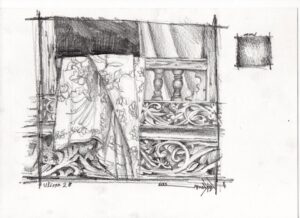
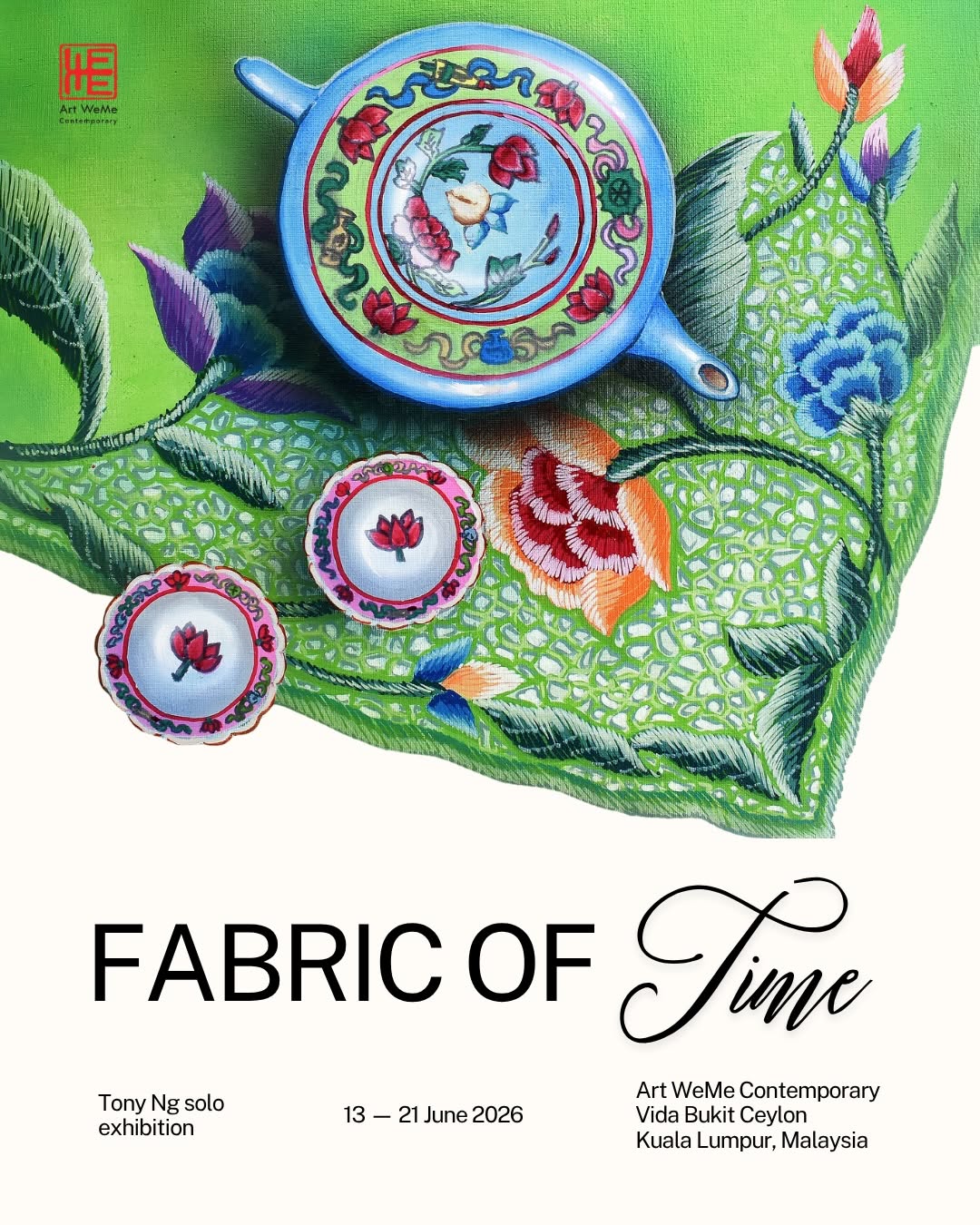
The folded batik cloths I had painted over the past months were still the same. The intricate motifs, the shadows hidden within each crease, the hours spent tracing every pattern by hand—none of that had changed.
What changed was my understanding of what happens after a work leaves the studio.
Perhaps there comes a point when artworks begin to carry themselves.
They travel beyond the artist’s immediate reach. They encounter strangers. They enter conversations we never hear. They wait patiently in storerooms and exhibition spaces before finding new audiences.
Fabric of Time has always been about memory, heritage, and the passage of time.
Batik, to me, is meaningful not simply because of its beauty, but because it has been lived with. It has been folded, stored away, passed down, forgotten, and rediscovered. Every crease records the touch of someone who once held it close.
Looking back, I realise these paintings have gathered their own histories too.
What began as quiet moments in the studio has now become an exhibition.
Perhaps this is another lesson about time.
As artists, we spend years learning how to make the work.
Eventually, we also learn how to let the work go.
And sometimes, if we are fortunate, the work continues its journey on our behalf.
Fabric of Time
Tony Ng Solo Exhibition
13–21 June 2026
Art WeMe Contemporary
Kuala Lumpur, Malaysia